I build backends that
hold up under pressure.
I like the unglamorous parts — turning messy, third-party data into clean APIs and pipelines that keep working when the traffic, rate limits, and edge cases all show up at once.
A few years spent turning vague requirements and messy data into backends teams can actually build on.
Backend Engineer
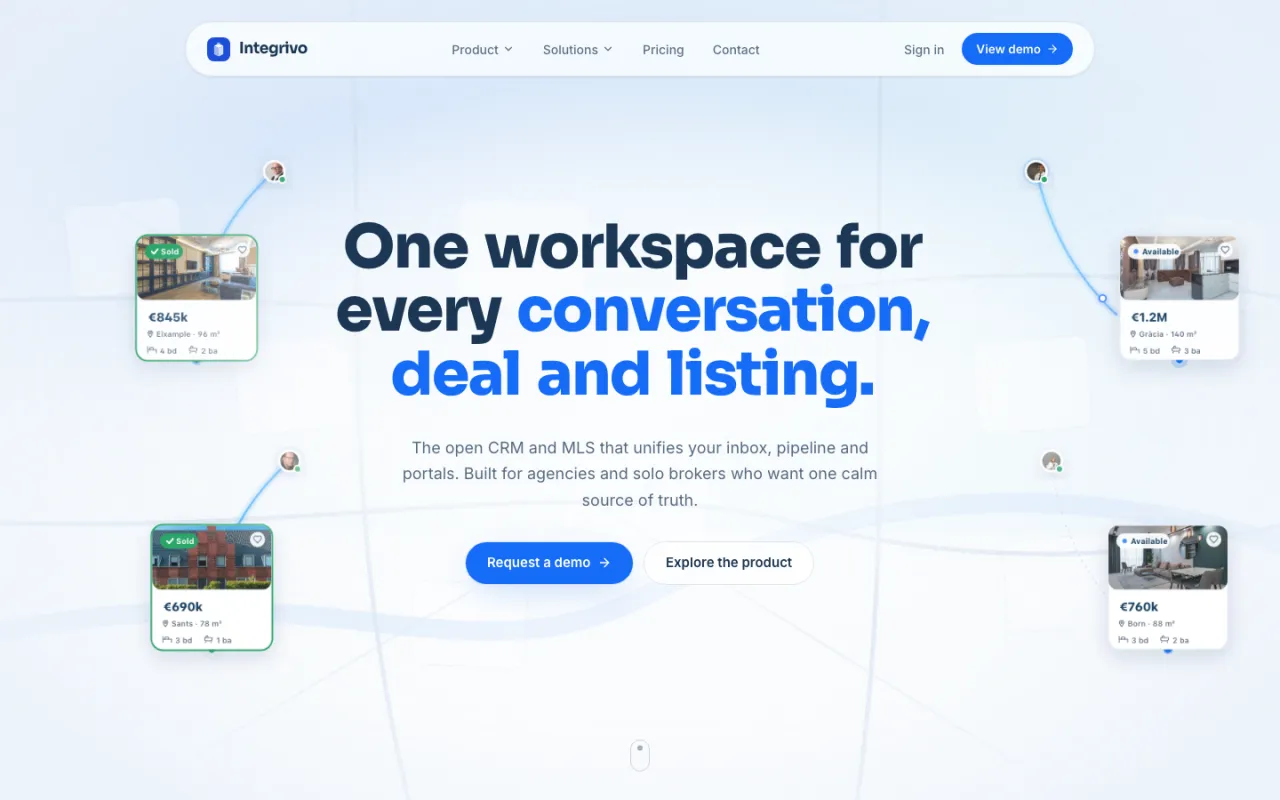
- Built resilient ingestion connectors for 10+ third-party data sources (SPA, SSR and REST), expanding the platform’s coverage.
- Engineered fault-tolerant pipelines that stay reliable under rate-limiting, anti-bot protections, and regional access constraints.
- Refactored a legacy codebase to improve performance, readability, and long-term maintainability.
Software Engineer
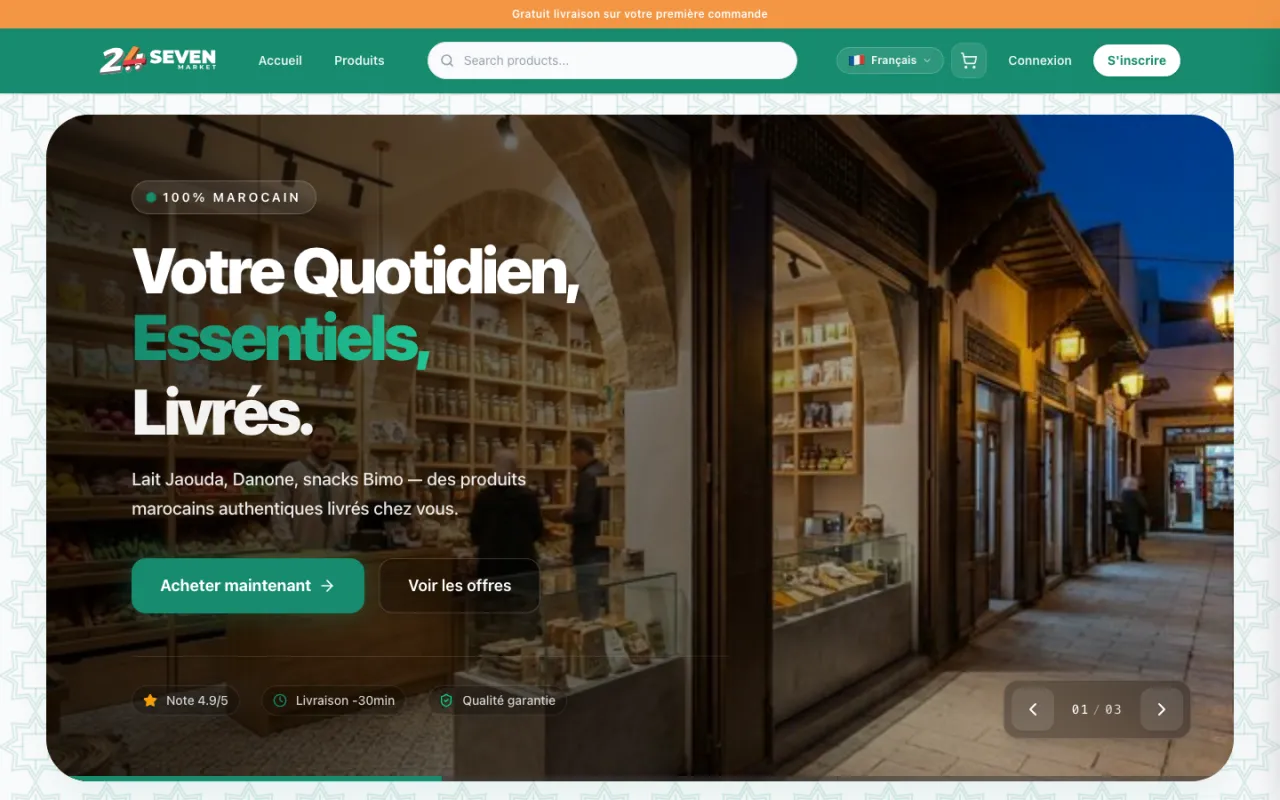
- Developed robust data processing pipelines to validate, transform, and normalize API responses for seamless storage across relational and NoSQL databases.
- Built a real-time communication system utilizing WebSockets and NestJS to ensure efficient data synchronization.
- Deployed and managed cloud-based databases, including PostgreSQL and Supabase, to handle large-scale data securely.
Software Engineer Intern
- Spearheaded full-stack application development using ReactJS, TailwindCSS, NestJS, and RESTful APIs.
- Integrated and processed data from diverse third-party APIs by leveraging reverse engineering and comprehensive testing to overcome limited documentation.
Trained the hard way — peer-to-peer, project-driven, and built on shipping real code, not sitting in lectures.
Digital Technology Architect Program
- Peer-to-peer, project-based curriculum with no lectures or teachers — learning driven entirely by building real projects in C, C++, and beyond.
- Hands-on mastery of systems programming, algorithms, Unix, and networking through progressively harder graded projects.
- Developed strong autonomy, problem-solving, and collaboration skills within the global 42 Network community.
















































Map it out
I start with the data and the API shape — pick the right stack, model it properly, plan the endpoints. Get this right and nothing needs a rewrite three months later.
Build the core
APIs get written, third-party sources get wired in, real-time gets added where it actually matters. This is where most of the work — and most of the fun — lives.
Make it solid
Tests on the paths that matter, slow queries tuned, endpoints locked down, and pipelines that keep working when the data is messy and the rate limits kick in.
Ship it
Containerized with Docker, deploys made boring through CI/CD, running on the cloud with monitoring that warns me before users ever notice.

The stuff recruiters usually ask
Full-time backend or full-stack engineering, ideally somewhere data-heavy. I care more about an interesting problem and a team I can learn from than the exact job title.
TypeScript with NestJS and Next.js, plus Python on the backend. PostgreSQL and MongoDB for data, all containerized with Docker. That is the part I would happily defend in an interview — the rest I pick up as the work needs it.
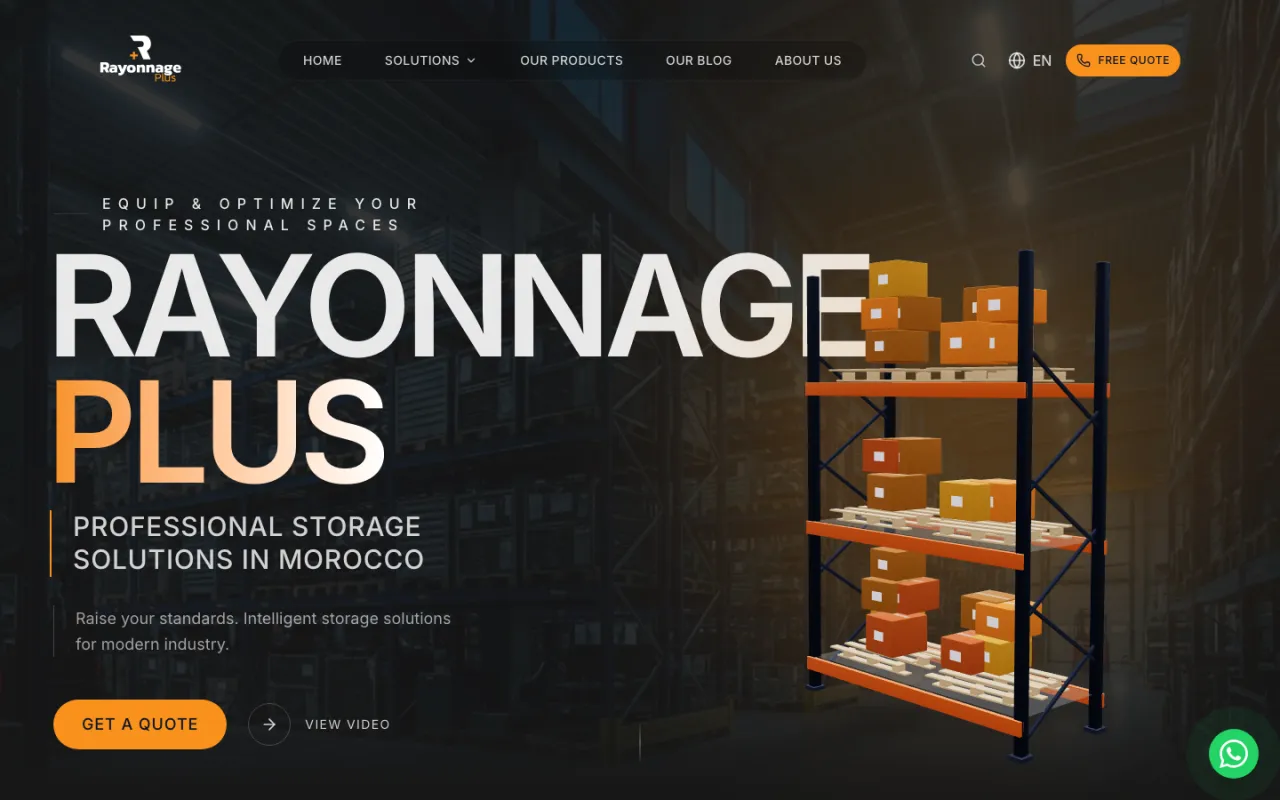
Making unreliable things reliable: third-party integrations, data pipelines, and APIs that keep working when the data is messy and the traffic is not. I am drawn to the unglamorous parts most people avoid.
Yes. I am based in Casablanca (GMT+1) and already work async with a Paris-based team. Remote, hybrid, or relocation for the right role are all on the table.
Soon, and I like to move quickly. Send me the details of the role and I will tell you honestly whether I am the right fit.